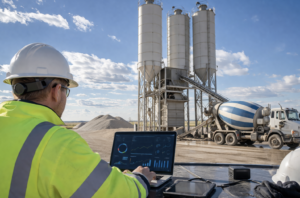
Concrete production has always depended on timing, accuracy, and reliability, but modern operations depend just as much on technology as they do on mixers, aggregates, and dispatch schedules. In North Dakota, where batching plants often operate under demanding weather conditions, changing jobsite timelines, and tight delivery expectations, information technology has become a practical business asset instead of a background function. For plant owners and managers, IT is no longer limited to office computers or email. It now touches production controls, inventory visibility, scheduling, communication, cybersecurity, reporting, and long-term planning. The broader field of Information technology continues to shape how industries manage data, infrastructure, and digital decision-making, and industrial operations are part of that shift.
Why IT Matters in Concrete Plant Operations
A concrete batching plant is a fast-moving environment where small mistakes can create expensive delays. A missed material update can slow production. A communication gap between dispatch and field crews can disrupt delivery windows. A reporting failure can make it harder to understand margins, maintenance needs, or performance trends across jobs. That is why IT support matters so much. It helps connect the moving parts of the business so leaders can see what is happening in real time and respond before minor issues become larger operational problems. Across the technology sector, coverage from sources such as Reuters Technology and AP News Technology reflects how digital systems, connected infrastructure, and data-driven decision-making continue to influence day-to-day business performance across industries.
For companies running or supporting North Dakota Concrete Batching Plants, dependable IT support creates stronger control over scheduling, production data, equipment monitoring, and communication between the plant, the office, and the field. That kind of visibility is especially valuable in a state where operations often need to stay efficient despite changing temperatures, road conditions, and project demands. A plant that can access accurate information quickly is in a much better position to protect both customer relationships and profitability.
Better Data Means Better Production Control
One of the clearest ways IT supports a batching plant is through better data management. Every batch, order, mix design, delivery window, and inventory adjustment creates information that can either be used well or lost in disconnected systems. When a plant relies on manual workarounds, scattered spreadsheets, or outdated software, it becomes much harder to maintain consistency. IT support helps businesses move toward cleaner data flow, stronger system integration, and easier access to operational records.
That matters because plant leaders need more than raw numbers. They need useful information. They need to know which materials are moving fastest, where downtime is increasing, whether dispatch patterns are creating avoidable waste, and how plant output compares from one project or season to the next. When reporting systems are set up properly, the plant gains a stronger foundation for decisions that affect labor, purchasing, maintenance, and customer service. Ongoing coverage from Bloomberg Technology and The Verge Tech regularly highlights how data systems, automation, and software tools are reshaping the way operational businesses manage efficiency and scale.
IT Improves Communication Between the Office and the Field
Concrete work is rarely slowed down by one big failure alone. More often, it gets slowed down by fragmented communication. The office may think a change was shared. Dispatch may assume the field already knows. A crew may arrive expecting one mix or one schedule only to discover that something changed upstream. IT support helps close those gaps by improving how information moves throughout the company.
When systems are set up correctly, updates can be tracked more clearly, schedules can be shared faster, and records can be stored in places where the right people can actually find them. That makes a real difference for batching plants that need tighter coordination with contractors, suppliers, drivers, and field teams. Reliable IT support can also improve mobile access, cloud-based workflows, and digital documentation so that teams do not have to depend on scattered texts, handwritten notes, or incomplete call chains. Enterprise coverage from InformationWeek IT Infrastructure shows how infrastructure strategy, cloud decisions, and digital architecture continue to affect business operations in practical, measurable ways.
Cybersecurity Protects More Than Computers
A batching plant may not always think of itself as a cybersecurity target, but any operation that depends on connected software, vendor systems, email, billing platforms, cloud files, or networked devices has exposure. That exposure is not only about stolen information. It is also about downtime, disrupted access, payment risk, and damaged trust. If dispatch software is locked down, if reporting systems go offline, or if internal communications are compromised, the damage can move quickly from the screen to the jobsite.
Strong IT support helps reduce that risk. It can improve password policies, backup practices, user permissions, network protection, update schedules, and employee awareness. It can also help a plant respond faster if a threat does appear. In other words, cybersecurity is not an optional extra for industrial operations. It is part of keeping the business stable. Coverage from InformationWeek Cybersecurity shows how cyber resilience and crisis planning remain central concerns for organizations that rely on digital systems to function every day.
Maintenance, Monitoring, and Uptime Become More Strategic
When IT is treated as a real operational partner, maintenance becomes more proactive. Instead of waiting for a failure to expose a weakness, plant leaders can build systems that improve visibility into performance and reduce avoidable interruptions. This includes monitoring software health, securing backups, keeping hardware current, supporting network reliability, and making sure data systems do not become weak links during busy periods.
That proactive mindset matters in concrete production because downtime is rarely isolated. If one system stalls, it can affect orders, dispatch, communication, invoicing, and customer confidence all at once. Strong IT support helps businesses think ahead. It helps them standardize processes, document critical systems, and reduce the stress that comes with operating on uncertainty. Technology reporting from major outlets keeps reinforcing the same broader lesson: the businesses that treat digital infrastructure seriously tend to be better prepared for disruption and better positioned for growth.
IT Helps Batching Plants Scale With More Confidence
Growth creates complexity. A plant that adds more customers, more jobs, more reporting requirements, or more operational locations will usually outgrow loose systems faster than expected. What worked when the business was smaller may become frustrating or expensive once volume increases. IT support helps create the structure needed for growth by making systems cleaner, more secure, and more repeatable.
That can include better user access controls, stronger file organization, improved reporting dashboards, more dependable communication tools, and a clearer technology plan tied to business goals. It can also help ownership understand where technology is helping and where it is quietly holding the company back. This is especially important in industries like concrete, where a business can look stable on the surface while still losing time and money through invisible inefficiencies. Practical IT leadership helps remove that friction so the operation can grow on a stronger foundation.
A Stronger Digital Foundation Builds Trust
Trust matters in every industrial market. Contractors want dependable delivery. Teams want clear direction. Owners want confidence in the numbers they are seeing. Vendors want organized communication. Customers want to know that the plant they rely on is responsive and steady. Good IT support strengthens all of that because it helps reduce confusion, improve accountability, and support consistency across the business.
That consistency has a branding effect as well. A company with stronger digital systems usually communicates better, responds faster, protects its information more effectively, and looks more reliable to customers and partners. On an IT website, that message is worth emphasizing because it connects technical service directly to business outcomes. IT is not just about devices or software subscriptions. It is about making the business more dependable. When that happens, credibility grows along with efficiency. The continuing coverage offered by trusted technology publications and news hubs shows how strongly digital readiness is tied to modern business reputation and resilience.
Conclusion
IT supports concrete batching plants by bringing order, visibility, and protection to an operation that depends on timing and accuracy. In North Dakota, where consistency matters and conditions can be demanding, the value of strong technology support becomes even more practical. Better data management, stronger communication, improved cybersecurity, smarter maintenance planning, and scalable systems all help batching plants operate with more confidence and less friction.
For an IT company, this creates a clear message: supporting concrete producers is not about adding unnecessary complexity. It is about helping a hardworking operation run cleaner, communicate better, protect its systems, and make more informed decisions. When IT is aligned with the realities of industrial work, it stops feeling like a separate department and starts becoming part of the plant’s strength. That is where real business value is created, and that is why IT continues to matter so much for North Dakota concrete batching plants.
